After reviewing your CV, the interview is the next hurdle you must overcome through questions and answers. Some questions may seem familiar, even easy, but they can easily lead you into a trap set by the recruiter.
Please introduce yourself.
This is the opening question of every interview! It seems simple, but many candidates lose points completely because of its length. They have a summary of your work and experience in their hands. What they want to know is more detailed information. You can present some personal achievements you have accomplished with specific data and evidence. Recruiters don't have much time, so your answer must be concise, brief, and to the point.

Photo: Internet
What was your reason for leaving your previous job?
If you say you couldn't stand your boss, you're speaking negatively about your previous employer. If you say it was because the salary was too low, then you were only there for the money and not truly passionate about the job. Or if you say you were forced to do things outside of your job description, then you're unwilling to help and lack teamwork spirit. That's what recruiters will think. The solution is to talk about what you achieved in your previous job and your aspirations for future growth. In short, don't talk about where you've been; focus only on where you want to go.
Why should we choose you?
The questions are similar to, “What makes you different from other candidates?” or “Why do we need you?” Through your prior research on the company and the current interview, you need to grasp the difficult problems the company is facing. Your answer should focus on how you are uniquely qualified to help them solve those problems.
What salary are you hoping for?
At startups, you might also get a similar question like, “Are you willing to accept other benefits or stock options in exchange for a lower salary?” To answer this question, you should do some research to find out the average salary for the position and your level of experience, and have a figure in mind before the interview. You should also have a clear and convincing explanation of why you deserve that salary.

Photo: Unsplash
What type of boss and colleagues do you dislike working with the most, and why?
In any business environment, collaborating with colleagues or working independently are essential skills for any employee. If you encounter this question, remain calm and provide the most positive answer possible. Don't list a series of things you dislike about others. Instead, tell the recruiter that everyone has strengths.
And the downsides. Collaborating with others requires a proactive attitude and mutual support. Even if you feel incompatible in terms of personality, if you're in the same group, you're always willing to cooperate to achieve the best results. This is where you demonstrate the necessary flexibility to work with different types of people and adapt quickly to any situation.
What is your biggest weakness?
An interesting question, but if you're not careful, your answer could make you look bad. The best approach is to focus on what you want to do rather than what you're not good at. You could tell the recruiter that you're trying to improve your presentation skills, time management, planning, or decision-making skills. An honest yet positive answer that shows your effort to improve yourself will help you make a good impression on the recruiter.
How would you react if you had to work overtime?
Candidates often express enthusiasm and a willingness to give their all, like "I'm ready." The employer is giving you an opportunity to demonstrate your right to work and your right to a work-life balance! Take advantage of this and show the employer your perspective with some of the following responses:
"I don't mind working overtime, as long as it doesn't affect my personal life too much."
"If I have to work overtime, I'll assess whether it's necessary before making my final decision."
"Does the company have a policy to support overtime work, and what are the specifics?"
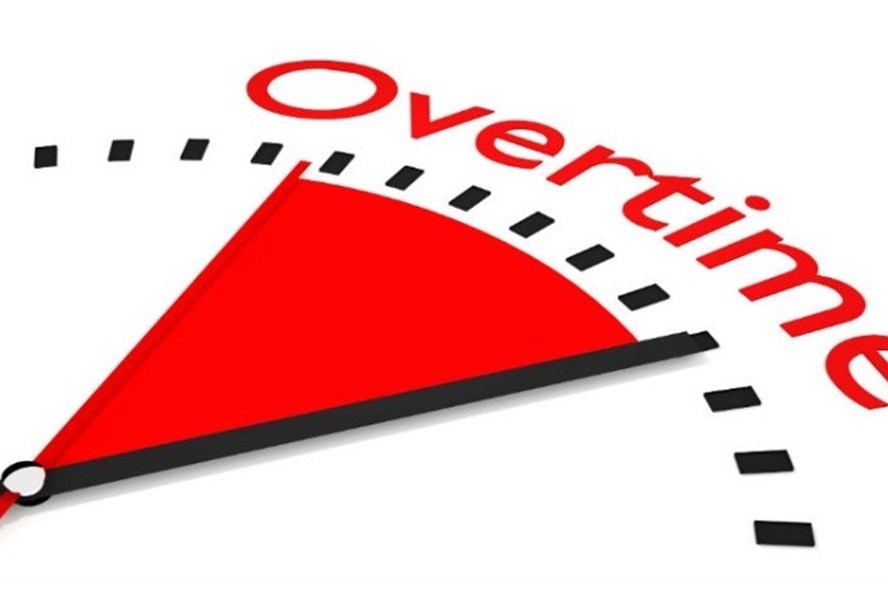
Photo: Internet
How do you see yourself in five years?
This is the most important interview question, helping recruiters assess an applicant's vision and ambition. Explain to the recruiter how the position you are applying for aligns with your future career advancement plans, as you will make a significant contribution to the company's overall benefit.
Source: Career Link, HR Insider