You prepared thoroughly and were confident in your abilities. However, your interview still failed. Did you make any of these 14 common mistakes?

Photo: Internet
1. Not saying thank you
Besides sending a thank-you note after the interview, you should also thank the interviewer in person before leaving. This shows the employer that you have basic communication skills, are open-minded, and maintain politeness.
2. Arriving late
Arriving late reflects a lack of professionalism and seriousness on the part of the candidate, demonstrating a lack of basic respect for the other party, regardless of the reason for being late.
3. The phone rang during the interview.
Allowing your phone to ring in a formal setting can diminish your credibility and professionalism. In this case, your first reaction should be to immediately silence your phone and politely apologize to the recruiter, or provide a valid reason for answering the call to avoid losing points.
4. Confused by unexpected questions.
Feeling overwhelmed will cause you to lose focus and be underestimated. In this case, show your eagerness to learn, or ask permission to answer questions at the end of the interview.
5. Rushing to discuss salary.
This can easily create a bad impression because the recruiter will think you're only interested in salary and benefits. If you've already brought it up, you can "fix" it by apologizing and expressing your interest in the position.

Photo: Pexels
6. Being rude to the person receiving the documents.
The people who receive your application will be the ones who "whisper" about you to the employer. Being rude to them only shows that you're not good at building relationships.
7. Giving cliché, formulaic answers.
Employers want to hire a human being, not a robot. Practice speaking fluently and naturally, avoid sounding like you're rote, and show your personality and creativity in your answers.
8. Don't ask questions.
Asking questions not only helps you resolve your own doubts but also shows the recruiter that you are genuinely interested in the job and their company.
9. Speaking ill of your former boss/company.
This is the biggest no-no during an interview. Recruiters will think that by speaking negatively about your previous company, you'll likely speak negatively about theirs if you change jobs later. This also reveals you as immature and boastful. An optimistic and cheerful attitude will make a better impression on the recruiter.
10. Poor expression
Hesitating, speaking too quickly, speaking abruptly, lacking subjects and predicates, rambling, unclear about the issue, and not focusing on the question are common signs of this error. You need to practice your speaking skills and word arrangement at home. You can also ask for 1-2 minutes to think to calm down and give accurate answers during the interview.
11. Errors in perspective
Many employers dislike candidates who are too assertive, even to the point of being boastful. They find such candidates difficult to manage and hard to get them to follow instructions. Conversely, if you are too shy and timid, failing to showcase any strengths during the interview, the employer will find it boring, and you will lose points.
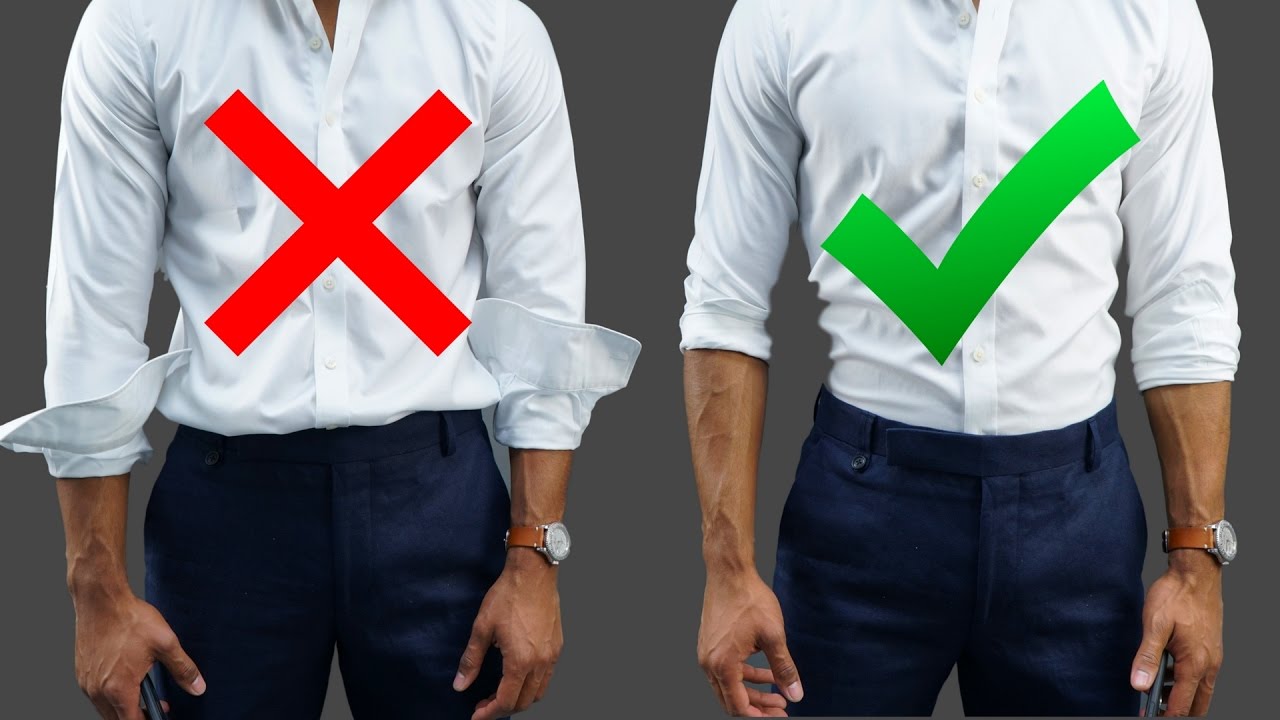
12. Wrong attire
Dressing too sloppily or too flashy both create a negative impression. Ideally, you should choose appropriate office attire . Men should wear trousers and a shirt, tucked in, and smart shoes. Women should ideally wear a dress, paired with a shirt, high heels, and light makeup.
13. Dishonesty
Employers hate deception the most. You shouldn't be overly boastful. However, being too blunt isn't good either, as no one wants to hire someone who lacks confidence and is incompetent. Therefore, you should know how to present yourself appropriately.
14. Not researching the company for the interview.
Going to an interview without any information about the company you're interviewing with is like going to plow a field without knowing how to plow. The recruiter will at least have one question to test your understanding of their company. Failing to research beforehand will disappoint the recruiter and give the impression that you don't take the interview seriously.
According to Kosaido HR, Career Builder, HR Insider.